The Complete Guide to Subscription Billing and Revenue Recovery
Subscription billing failures cost SaaS companies an average of 9% of their monthly recurring revenue (MRR), yet most businesses treat dunning management as an afterthought. With global subscription economy growing at 435% over the past decade, implementing robust billing and revenue recovery systems isn’t just best practice—it’s essential for survival in today’s competitive landscape.
This comprehensive guide walks you through building enterprise-grade subscription billing infrastructure with automated revenue recovery mechanisms. We’ll cover everything from architectural decisions to implementation specifics, helping you minimize churn and maximize revenue retention through intelligent billing operations.
Prerequisites and Foundation Requirements
Before diving into implementation, ensure your organization meets these technical and operational prerequisites:
Technical Infrastructure
- Payment Gateway Integration: Stripe, Adyen, or Braintree with webhook capabilities
- Customer Database: PostgreSQL, MySQL, or MongoDB with ACID compliance
- API Framework: RESTful or GraphQL API with rate limiting
- Message Queue System: Redis, RabbitMQ, or AWS SQS for async processing
- Monitoring Stack: Application performance monitoring (APM) tools
Compliance and Security
- PCI DSS Level 1 compliance for payment data handling
- GDPR/CCPA compliance frameworks for customer data
- SOX compliance if publicly traded
- Multi-factor authentication for administrative access
Team Structure
- Backend developers familiar with payment processing
- DevOps engineers for infrastructure management
- Customer success team for manual recovery processes
- Finance team for revenue recognition and reporting
Expert Tip: Start with a minimum viable billing system and iterate. Many companies over-engineer their initial billing infrastructure, leading to delayed launches and unnecessary complexity.
Architecture and Strategy Overview
Effective subscription billing architecture balances automation with human intervention, creating multiple recovery touchpoints while maintaining customer experience quality.
Core System Components
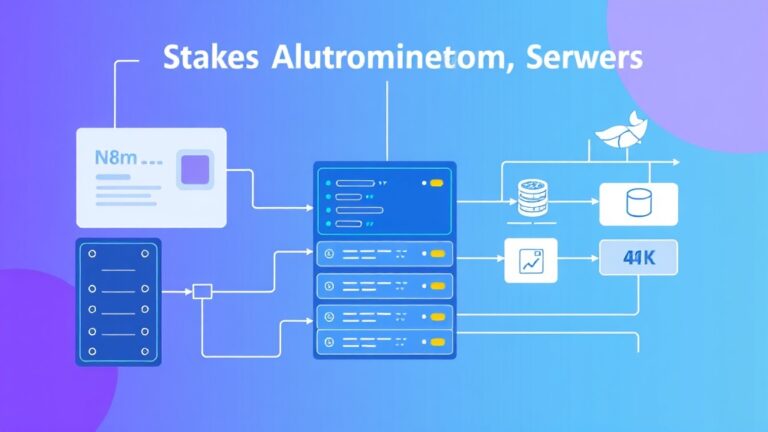
Your billing architecture should include these essential components:
- Subscription Management Engine: Handles plan changes, upgrades, downgrades
- Billing Processor: Manages recurring charges and invoice generation
- Dunning Management System: Automates failed payment recovery
- Revenue Recognition Module: Tracks MRR, ARR, and financial metrics
- Customer Communication Hub: Sends billing notifications and updates
Revenue Recovery Strategy Framework
Successful revenue recovery operates on multiple levels:
- Immediate Retry (0-24 hours): Smart retry logic with exponential backoff
- Customer Notification (1-3 days): Email and in-app notifications
- Grace Period Management (3-7 days): Continued service with payment reminders
- Account Restriction (7-14 days): Limited functionality to encourage payment
- Human Intervention (14+ days): Customer success outreach
| Recovery Stage | Timeframe | Success Rate | Automation Level |
|---|---|---|---|
| Smart Retry | 0-24 hours | 15-25% | 100% Automated |
| Email Campaign | 1-7 days | 30-45% | 90% Automated |
| Account Restrictions | 7-14 days | 20-35% | 80% Automated |
| Human Outreach | 14+ days | 40-60% | 20% Automated |
Detailed Implementation Steps
Step 1: Database Schema Design
Design your subscription data model to support complex billing scenarios:
-- Customers table
CREATE TABLE customers (
  id UUID PRIMARY KEY,
  email VARCHAR(255) UNIQUE NOT NULL,
  stripe_customer_id VARCHAR(255),
  billing_address JSONB,
  created_at TIMESTAMP DEFAULT NOW()
);

-- Subscriptions table
CREATE TABLE subscriptions (
  id UUID PRIMARY KEY,
  customer_id UUID REFERENCES customers(id),
  plan_id VARCHAR(100) NOT NULL,
  status VARCHAR(50) DEFAULT 'active',
  current_period_start TIMESTAMP,
  current_period_end TIMESTAMP,
  cancel_at_period_end BOOLEAN DEFAULT FALSE,
  metadata JSONB
);

-- Failed payments tracking
CREATE TABLE failed_payments (
  id UUID PRIMARY KEY,
  subscription_id UUID REFERENCES subscriptions(id),
  amount_cents INTEGER NOT NULL,
  failure_reason VARCHAR(255),
  retry_count INTEGER DEFAULT 0,
  next_retry_at TIMESTAMP,
  recovered_at TIMESTAMP NULL
);
Step 2: Smart Retry Logic Implementation
Implement intelligent retry mechanisms that adapt to different failure types:
class DunningManager {
  constructor(paymentGateway, notificationService) {
    this.paymentGateway = paymentGateway;
    this.notifications = notificationService;
  }

  async processFailedPayment(failedPayment) {
    const retrySchedule = this.calculateRetrySchedule(
      failedPayment.failure_reason,
      failedPayment.retry_count
    );

    if (retrySchedule.shouldRetry) {
      await this.scheduleRetry(failedPayment, retrySchedule.nextRetry);
    } else {
      await this.initiateCustomerOutreach(failedPayment);
    }
  }

  calculateRetrySchedule(failureReason, retryCount) {
    const maxRetries = {
      'insufficient_funds': 4,
      'expired_card': 2,
      'card_declined': 3,
      'processing_error': 5
    };

    const retryIntervals = [1, 3, 7, 14]; // hours

    return {
      shouldRetry: retryCount < (maxRetries[failureReason] || 3),
      nextRetry: new Date(Date.now() + retryIntervals[retryCount] * 3600000)
    };
  }
}
Step 3: Automated Communication Workflows
Create multi-channel communication sequences that guide customers through payment resolution. Tools like GetResponse can help automate email sequences, while Constant Contact provides robust template management for billing communications.
const communicationWorkflow = {
  immediate: {
    channels: ['email', 'in_app'],
    message: 'Payment failed - updating payment method',
    urgency: 'low'
  },
  day_3: {
    channels: ['email', 'sms'],
    message: 'Service suspension warning',
    urgency: 'medium'
  },
  day_7: {
    channels: ['email', 'phone', 'in_app'],
    message: 'Final notice before cancellation',
    urgency: 'high'
  }
};
Step 4: Revenue Analytics and Monitoring
Implement comprehensive revenue tracking to measure recovery effectiveness. Chartio provides excellent visualization capabilities for billing metrics, while Kissmetrics helps track customer behavior throughout the recovery process.
-- Key revenue recovery metrics query
SELECT
  DATE_TRUNC('month', created_at) as month,
  COUNT(*) as total_failures,
  COUNT(CASE WHEN recovered_at IS NOT NULL THEN 1 END) as recovered,
  ROUND(
    COUNT(CASE WHEN recovered_at IS NOT NULL THEN 1 END)::numeric /
    COUNT(*)::numeric * 100, 2
  ) as recovery_rate,
  SUM(amount_cents) / 100 as total_failed_revenue,
  SUM(
    CASE WHEN recovered_at IS NOT NULL
    THEN amount_cents ELSE 0 END
  ) / 100 as recovered_revenue
FROM failed_payments
WHERE created_at >= NOW() - INTERVAL '12 months'
GROUP BY DATE_TRUNC('month', created_at)
ORDER BY month DESC;
Step 5: Advanced Recovery Techniques
Implement sophisticated recovery methods for high-value customers:
- Payment Method Optimization: Suggest alternative payment methods based on customer location
- Flexible Payment Plans: Offer installment options for large bills
- Proactive Card Updates: Use account updater services to refresh expired cards
- Intelligent Timing: Retry payments when customers are most likely to have funds
Integration with Business Tools
Connect your billing system with essential business tools for comprehensive revenue operations:
CRM Integration
Integrate with Freshsales or similar CRM platforms to track customer payment history and trigger personalized outreach campaigns. This integration enables your sales team to identify at-risk accounts and proactively address billing issues.
Analytics and Reporting
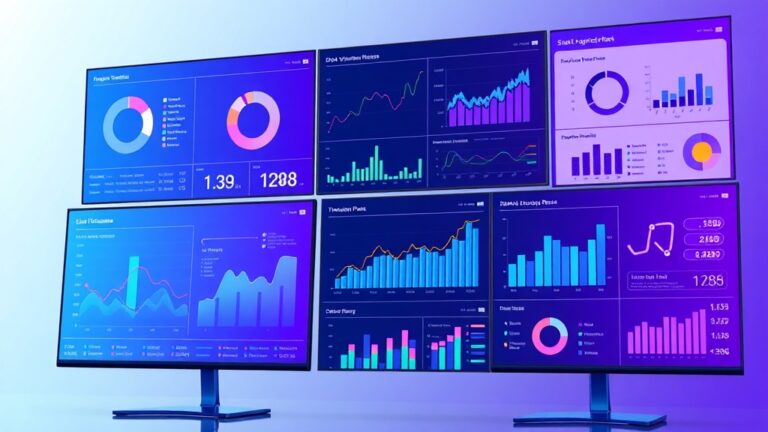
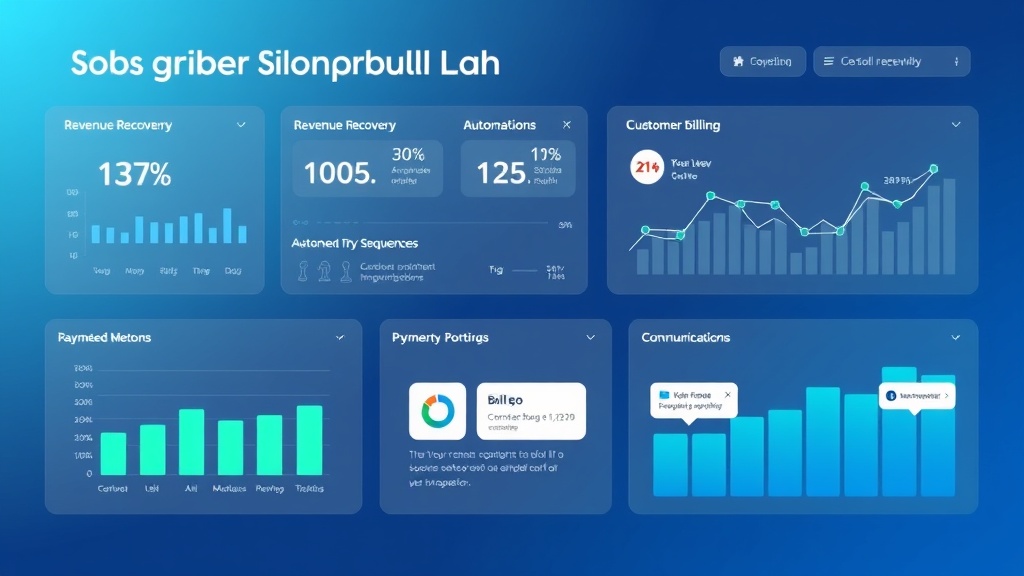
Implement real-time dashboards that track:
- Monthly Recurring Revenue (MRR) trends
- Churn rate by payment failure type
- Recovery rate by customer segment
- Average time to recovery
- Customer lifetime value impact
Troubleshooting Common Issues
High False Positive Rates
Problem: Legitimate payments being flagged as failures
Solution: Implement machine learning models to distinguish between temporary and permanent failures. Use historical payment patterns and customer behavior to improve accuracy.
// Example ML feature extraction for payment success prediction
const paymentFeatures = {
  customer_age_days: customerAgeInDays,
  previous_payment_failures: previousFailureCount,
  payment_amount_ratio: currentAmount / averagePaymentAmount,
  payment_method_age: paymentMethodAgeInDays,
  time_since_last_payment: hoursSinceLastPayment
};
Customer Communication Fatigue
Problem: Customers receiving too many billing notifications
Solution: Implement communication frequency caps and channel preferences. Allow customers to choose their preferred notification methods and timing.
Revenue Recognition Discrepancies
Problem: Misalignment between billing system and accounting records
Solution: Implement automated reconciliation processes and establish clear revenue recognition rules for different scenarios (upgrades, downgrades, refunds).
Performance Issues at Scale
Problem: Billing processing becoming slow with increased customer base
Solution: Implement horizontal scaling with database sharding, use caching for frequently accessed data, and optimize database queries with proper indexing.
Performance Tip: Process billing operations in batches during off-peak hours and use job queues to handle retry logic asynchronously. This approach can improve system performance by up to 300%.
Advanced Revenue Recovery Strategies
Predictive Churn Prevention
Use machine learning to identify customers likely to churn due to billing issues:
- Monitor payment method expiration dates
- Track usage pattern changes before billing cycles
- Identify customers with declining engagement
- Proactively reach out with retention offers
Dynamic Pricing and Recovery
Implement flexible pricing strategies for recovery scenarios:
- Temporary discounts for payment method updates
- Extended trial periods for failed payments
- Graduated pricing for customers experiencing financial difficulties
- Win-back campaigns with special pricing
Measuring Success and Optimization
Track these key performance indicators to optimize your revenue recovery system:
| Metric | Industry Benchmark | Calculation | Optimization Target |
|---|---|---|---|
| Involuntary Churn Rate | 2-5% | Failed payments not recovered / Total customers | < 2% |
| Payment Recovery Rate | 60-80% | Recovered payments / Total failed payments | > 75% |
| Time to Recovery | 3-7 days | Average days from failure to successful payment | < 5 days |
| Customer Satisfaction | 4.0+/5.0 | Post-recovery survey scores | > 4.2/5.0 |
Next Steps and Resources
Implementation Roadmap
- Week 1-2: Set up basic billing infrastructure and payment gateway integration
- Week 3-4: Implement smart retry logic and basic dunning management
- Week 5-6: Create automated communication workflows
- Week 7-8: Build analytics dashboards and monitoring systems
- Week 9-12: Implement advanced recovery techniques and optimization
Essential Tools and Platforms
- Payment Gateways: Stripe, Adyen, Braintree
- Billing Platforms: Chargebee, Recurly, Zuora
- Communication Tools: SendGrid, Twilio, Intercom
- Analytics Platforms: Mixpanel, Amplitude, Google Analytics 4
- Monitoring Tools: DataDog, New Relic, Sentry
Continuous Improvement Framework
Establish regular review cycles to optimize your revenue recovery system:
- Weekly: Monitor key metrics and address immediate issues
- Monthly: Analyze recovery rate trends and customer feedback
- Quarterly: Review and update communication templates and workflows
- Annually: Comprehensive system architecture review and strategic planning
Frequently Asked Questions
How long should I wait before canceling a subscription due to failed payments?
Industry best practice suggests a 14-30 day grace period, depending on your customer segment and average contract value. High-value enterprise customers typically receive longer grace periods (up to 45 days) with more personalized outreach, while lower-value customers might have shorter periods (7-14 days) with automated recovery only.
What’s the optimal retry schedule for failed payments?
The most effective retry schedule varies by failure reason. For insufficient funds, try after 1 day, 3 days, 7 days, and 14 days. For expired cards, retry after 1 day and 7 days only. For declined cards, use a more aggressive schedule: 1 day, 2 days, and 5 days. Always implement exponential backoff to avoid overwhelming payment processors.
Should I restrict service access immediately after a failed payment?
No, immediate service restriction typically reduces recovery rates by 15-25%. Instead, provide a grace period of 3-7 days with gentle reminders. After the grace period, implement gradual restrictions starting with non-essential features while maintaining core functionality that drives customer value.
How can I reduce involuntary churn without annoying customers?
Focus on proactive communication and value reinforcement. Send payment reminders 3-5 days before billing dates, offer multiple payment methods, implement account updater services for expired cards, and provide self-service payment update options. Most importantly, ensure your communication emphasizes the value customers receive rather than just demanding payment.
Building robust subscription billing and revenue recovery systems requires careful planning, technical expertise, and ongoing optimization. If you’re looking to implement or improve your billing infrastructure, futia.io’s automation services can help you design and deploy enterprise-grade solutions that maximize revenue retention while maintaining excellent customer experience.
🛠️ Tools Mentioned in This Article