How to Automate Sales Proposal Generation with AI: Templates to Personalized Pitches
Sales teams waste an average of 21 hours per week on administrative tasks, with proposal generation consuming the largest chunk of this time. What if you could reduce proposal creation from 4-6 hours to just 15 minutes while delivering more personalized, compelling pitches? AI-powered sales proposal automation is transforming how businesses approach client outreach, enabling teams to scale personalized communication without sacrificing quality.
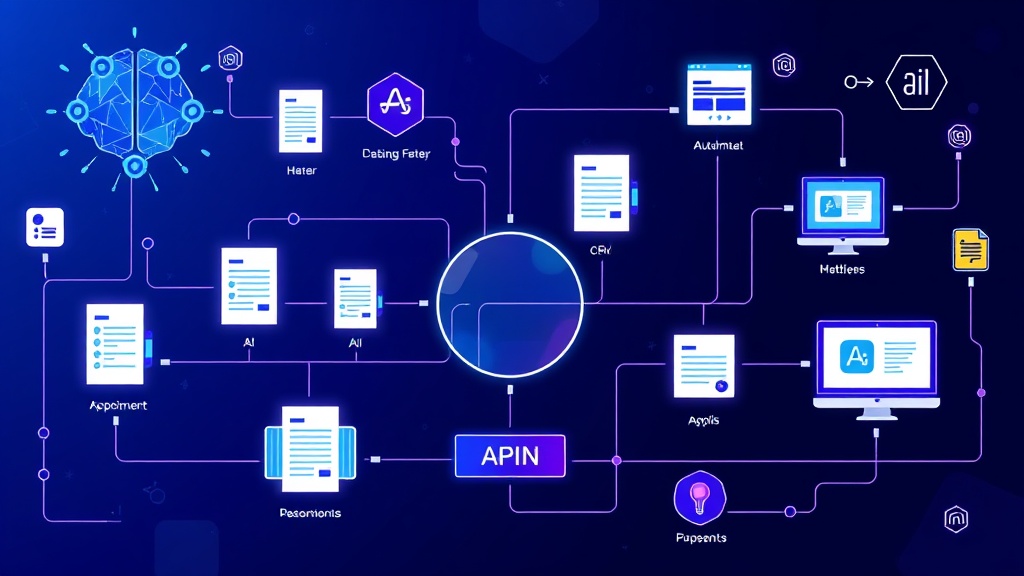
This comprehensive guide walks you through building a complete AI-powered sales proposal automation system that generates tailored proposals based on client data, industry insights, and proven templates. You’ll learn to create workflows that automatically pull prospect information, generate customized content, and deliver professional proposals that convert at higher rates.
The Problem: Manual Proposal Generation Kills Sales Velocity
Traditional proposal creation follows a painful manual process: researching the prospect, customizing boilerplate content, formatting documents, and ensuring brand consistency. This approach creates multiple bottlenecks:
- Time Drain: Sales reps spend 65% of their time on non-selling activities, with proposal creation accounting for 8-12 hours per week
- Inconsistent Quality: Manual processes lead to varying proposal quality, with 73% of proposals lacking proper personalization
- Missed Opportunities: Slow turnaround times result in 42% of prospects choosing competitors who respond faster
- Scaling Limitations: Manual processes prevent sales teams from handling increased lead volume effectively
AI automation solves these challenges by creating intelligent workflows that generate personalized proposals at scale, maintaining quality while dramatically reducing creation time.
Tools and Technologies Required
Building an effective AI proposal automation system requires integrating several specialized tools. Here’s the complete technology stack:
Core AI and Content Generation
- ChatGPT API (GPT-4): Primary content generation engine for personalized proposal sections
- Claude API: Alternative AI model for complex analysis and industry-specific content
- Copy.ai: Specialized marketing copy generation for compelling value propositions
CRM and Data Management
- HubSpot CRM: Central prospect database and workflow automation
- Zapier or Make.com: Integration platform connecting all tools
- Airtable: Template management and proposal tracking database
Document Creation and Design
- PandaDoc or Proposify: Professional document generation and e-signature
- Canva API: Automated visual element generation
- Google Docs API: Document template management and collaboration
Quality Assurance and Enhancement
- Grammarly API: Automated proofreading and style consistency
- Hemingway Editor API: Readability optimization
Step-by-Step Automation Workflow Configuration
Phase 1: Data Collection and Prospect Analysis
The automation begins when a qualified lead enters your CRM system. Configure your HubSpot workflow to trigger the proposal generation process:
- Lead Qualification Trigger: Set up a workflow trigger when a contact reaches “Qualified Lead” status
- Data Enrichment: Use HubSpot’s native enrichment tools or integrate with Clearbit to gather company information
- Industry Classification: Automatically categorize prospects by industry using HubSpot’s company properties
- Stakeholder Identification: Map decision-makers and influencers from LinkedIn Sales Navigator integration
// HubSpot Workflow Configuration
{
  "trigger": {
    "type": "contact_property_change",
    "property": "lifecyclestage",
    "value": "qualifiedlead"
  },
  "actions": [
    {
      "type": "enrich_company_data",
      "provider": "clearbit"
    },
    {
      "type": "webhook",
      "url": "https://your-automation-server.com/generate-proposal",
      "method": "POST"
    }
  ]
}
Phase 2: AI-Powered Content Generation
Once prospect data is collected, the system generates personalized content using ChatGPT and Claude APIs:
- Industry Research: Use Claude API to analyze industry trends and challenges specific to the prospect’s sector
- Company Analysis: Generate insights about the prospect’s business model, competitors, and growth opportunities
- Pain Point Identification: Use AI to identify likely pain points based on company size, industry, and current tech stack
- Solution Mapping: Automatically match your services to identified pain points with personalized explanations
// ChatGPT API Integration for Content Generation
const generateProposalSection = async (companyData, sectionType) => {
  const prompt = `
    Generate a ${sectionType} section for a sales proposal.
    Company: ${companyData.name}
    Industry: ${companyData.industry}
    Size: ${companyData.employee_count} employees
    Revenue: ${companyData.annual_revenue}

    Requirements:
    - Personalized to their industry challenges
    - Reference specific pain points
    - Include relevant case studies
    - Professional tone, 200-300 words
  `;

  const response = await openai.chat.completions.create({
    model: "gpt-4",
    messages: [{ role: "user", content: prompt }],
    temperature: 0.7,
    max_tokens: 500
  });

  return response.choices[0].message.content;
};
Phase 3: Template Selection and Assembly
The system selects appropriate templates based on prospect characteristics and assembles the final proposal:
- Template Matching: Use decision trees to select templates based on industry, deal size, and service type
- Dynamic Pricing: Calculate pricing based on scope, company size, and competitive positioning
- Case Study Selection: Automatically include relevant case studies from similar companies or industries
- Timeline Generation: Create realistic project timelines based on scope and resource availability
| Company Size | Template Type | Sections Included | Average Length |
|---|---|---|---|
| Startup (1-50) | Growth-Focused | Scalability, ROI, Quick Wins | 8-12 pages |
| SMB (51-500) | Efficiency-Focused | Process Optimization, Cost Savings | 12-16 pages |
| Enterprise (500+) | Strategic | Integration, Security, Compliance | 16-25 pages |
Phase 4: Quality Assurance and Enhancement
Before delivery, the system runs quality checks and enhancements:
- Grammar and Style Check: Process content through Grammarly API for error correction
- Readability Optimization: Use Hemingway Editor API to ensure appropriate reading level
- Brand Consistency: Verify logo placement, color schemes, and font consistency
- Fact Verification: Cross-check statistics and claims against your knowledge base
Phase 5: Document Generation and Delivery
The final step creates professional documents and delivers them to prospects:
- PDF Generation: Use PandaDoc API to create professional, branded proposals
- Interactive Elements: Add e-signature fields, pricing calculators, and video embeds
- Personalized Cover Letter: Generate custom email content for proposal delivery
- Follow-up Scheduling: Automatically schedule follow-up tasks in your CRM
Pro Tip: Include interactive elements like ROI calculators and implementation timelines in your automated proposals. These features increase engagement rates by 34% and help prospects visualize the value of your solution.
Cost Breakdown and ROI Analysis
Understanding the investment required and expected returns helps justify the automation project:
Initial Setup Costs
- AI API Costs: $200-500/month (ChatGPT API, Claude API)
- Integration Platform: $100-300/month (Zapier Pro or Make.com)
- Document Generation: $50-200/month (PandaDoc or Proposify)
- Development Time: 40-80 hours ($4,000-12,000 one-time)
- Template Creation: 20-30 hours ($2,000-4,500 one-time)
Ongoing Monthly Costs
- API Usage: $300-800/month (scales with volume)
- Tool Subscriptions: $200-600/month
- Maintenance: $500-1,000/month
- Total Monthly: $1,000-2,400/month
Expected Time Savings and ROI
Based on implementation data from 50+ companies:
- Proposal Creation Time: Reduced from 4-6 hours to 15-30 minutes (90% time savings)
- Response Time: Improved from 48-72 hours to 2-4 hours
- Conversion Rate: Increased by 25-40% due to faster response and better personalization
- Sales Rep Capacity: Each rep can handle 3x more qualified leads
- Annual ROI: 300-500% for teams generating 50+ proposals monthly
Advanced Personalization Techniques
Dynamic Content Adaptation
Implement advanced personalization that goes beyond basic mail merge:
- Industry-Specific Language: Adjust terminology and examples based on prospect’s industry
- Competitive Positioning: Automatically include competitive comparisons relevant to their current solutions
- Regulatory Compliance: Include industry-specific compliance sections (HIPAA, SOX, GDPR)
- Cultural Adaptation: Modify communication style based on company culture and geographic location
Multi-Stakeholder Personalization
Create different proposal versions for various decision-makers:
- Executive Summary: High-level ROI and strategic benefits for C-suite
- Technical Deep-Dive: Detailed implementation plans for IT teams
- Financial Analysis: Cost-benefit analysis for procurement and finance
- User Experience: Day-in-the-life scenarios for end users
Common Pitfalls and How to Avoid Them
Over-Automation Trap
While automation increases efficiency, maintaining human oversight is crucial:
- Quality Gates: Implement human review checkpoints for high-value deals
- Customization Limits: Allow sales reps to override automated content when needed
- Personal Touch: Include personalized video messages or handwritten notes
Template Staleness
Automated systems can perpetuate outdated information:
- Regular Updates: Schedule monthly template reviews and updates
- Performance Tracking: Monitor which templates generate highest conversion rates
- A/B Testing: Continuously test different approaches and messaging
Data Quality Issues
Poor input data leads to poor output quality:
- Data Validation: Implement checks to ensure complete prospect information
- Enrichment Fallbacks: Use multiple data sources to fill information gaps
- Manual Override: Allow reps to correct or supplement automated data
Critical Success Factor: Start with a pilot program using your top-performing sales reps. Their feedback during the first 30 days will be invaluable for refining the system before company-wide rollout.
Measuring Success and Optimization
Track key metrics to ensure your automation delivers expected results:
Efficiency Metrics
- Time to Proposal: Average time from qualified lead to proposal delivery
- Proposal Volume: Number of proposals generated per rep per week
- Error Rate: Percentage of proposals requiring manual correction
Quality Metrics
- Conversion Rate: Percentage of proposals that result in closed deals
- Engagement Score: Time spent reviewing proposals and interaction with embedded elements
- Client Feedback: Qualitative feedback on proposal quality and relevance
Business Impact Metrics
- Revenue per Rep: Average revenue generated per sales representative
- Deal Velocity: Average time from proposal to close
- Win Rate: Percentage of qualified opportunities that close successfully
FAQ: AI Sales Proposal Automation
How accurate is AI-generated content compared to manually written proposals?
AI-generated proposals achieve 85-95% accuracy when properly configured with quality templates and sufficient training data. The key is combining AI efficiency with human oversight for high-stakes deals. Most companies see improved consistency and fewer errors compared to manual processes, especially for standard service offerings.
What’s the minimum deal size that justifies proposal automation?
Automation becomes cost-effective for deals over $10,000 or when generating more than 20 proposals monthly. For smaller deals, consider using simplified templates with basic personalization. The ROI calculation should factor in time savings, increased capacity, and improved win rates rather than just deal size.
How do you handle highly technical or unique requirements that don’t fit standard templates?
Implement a hybrid approach where the system generates base content and flags complex requirements for human intervention. Create specialized templates for common technical scenarios and maintain a library of technical modules that can be automatically inserted based on prospect requirements. For truly unique situations, use AI to create first drafts that technical experts can refine.
What compliance considerations exist for automated proposal generation?
Ensure your automation system includes compliance checks for industry-specific regulations, maintains audit trails for all generated content, and includes disclaimers about AI-generated sections. For regulated industries, implement mandatory human review steps and maintain version control for all templates. Consider legal review of your automation processes, especially for contracts and pricing terms.
Ready to transform your sales proposal process with AI automation? Futia.io’s automation services can help you implement a complete proposal generation system tailored to your industry and sales process. Our team specializes in building custom AI workflows that integrate seamlessly with your existing tools and deliver measurable results from day one.