AI Image Generation for Marketing: Complete Flux, DALL-E & Midjourney Guide
Building an AI-Powered Visual Marketing Pipeline
Visual content drives 94% more engagement than text-only posts, yet 73% of marketers struggle with consistent image creation. AI image generation tools like Flux, DALL-E 3, and Midjourney are revolutionizing how marketing teams produce visuals at scale. This comprehensive tutorial will guide you through building an automated image generation pipeline that can produce hundreds of marketing assets weekly while maintaining brand consistency.
We’ll construct a complete system that integrates multiple AI image generators, implements brand guidelines through prompt engineering, and automates the entire workflow from concept to deployment. By the end, you’ll have a production-ready pipeline capable of generating social media posts, ad creatives, blog headers, and product mockups automatically.
What We’re Building: An Integrated AI Visual Marketing System
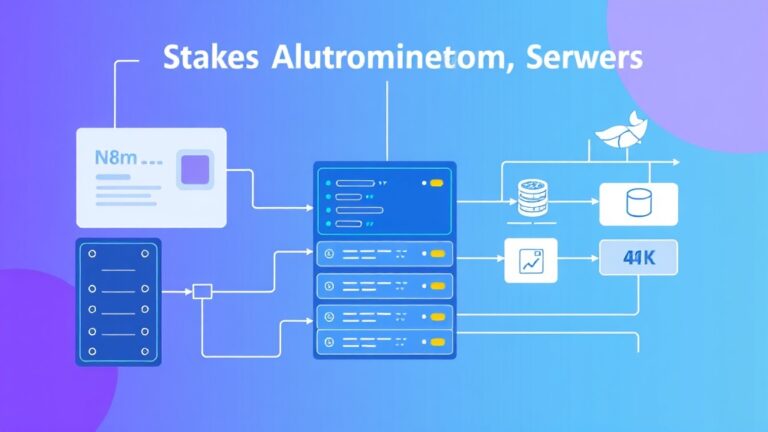
Our target system encompasses three core components:
- Multi-Platform Image Generator: Unified interface connecting Flux, DALL-E 3, and Midjourney APIs
- Brand Consistency Engine: Automated prompt enhancement system ensuring visual coherence
- Content Distribution Pipeline: Direct integration with marketing platforms for seamless deployment
The system will generate campaign-specific visuals based on input parameters like target audience, campaign type, and brand guidelines. It automatically selects the optimal AI model for each request, applies brand-specific styling, and delivers production-ready assets.
“The key to successful AI image generation isn’t just prompt quality—it’s building systematic workflows that maintain consistency while scaling production.” – Marketing automation expert
Prerequisites and Technology Stack
Required Accounts and API Access
- OpenAI API: DALL-E 3 access ($0.040 per standard image, $0.080 per HD)
- Replicate API: Flux model access ($0.003 per second of generation time)
- Midjourney: Subscription plan ($10/month minimum for API access)
- Cloud Storage: AWS S3 or Google Cloud Storage for asset management
Technical Requirements
- Python 3.8+ with virtual environment
- Node.js 16+ for webhook handling
- Redis for job queue management
- PostgreSQL for metadata storage
- Docker for containerized deployment
Marketing Platform Integrations
We’ll integrate with ActiveCampaign for email marketing visuals and Airtable for campaign asset management. These integrations enable automatic visual generation triggered by campaign creation or content calendar updates.
Step-by-Step Implementation
Phase 1: Core Infrastructure Setup
First, establish the foundation with our Python environment and dependencies:
# requirements.txt
openai==1.12.0
replicate==0.22.0
fastapi==0.104.1
celery==5.3.4
redis==5.0.1
psycopg2-binary==2.9.9
boto3==1.34.34
pillow==10.2.0
requests==2.31.0
Initialize the project structure:
mkdir ai-marketing-pipeline
cd ai-marketing-pipeline
python -m venv venv
source venv/bin/activate  # On Windows: venvScriptsactivate
pip install -r requirements.txt
Phase 2: AI Model Integration Layer
Create the unified image generation interface:
# generators/base_generator.py
from abc import ABC, abstractmethod
from typing import Dict, List, Optional
import asyncio

class BaseImageGenerator(ABC):
    def __init__(self, api_key: str, config: Dict):
        self.api_key = api_key
        self.config = config
        self.rate_limit = config.get('rate_limit', 60)

    @abstractmethod
    async def generate_image(self, prompt: str, **kwargs) -> Dict:
        pass

    @abstractmethod
    def estimate_cost(self, **kwargs) -> float:
        pass
Implement DALL-E 3 integration:
# generators/dalle_generator.py
import openai
from .base_generator import BaseImageGenerator

class DalleGenerator(BaseImageGenerator):
    def __init__(self, api_key: str, config: Dict):
        super().__init__(api_key, config)
        self.client = openai.OpenAI(api_key=api_key)

    async def generate_image(self, prompt: str, **kwargs) -> Dict:
        try:
            response = await self.client.images.generate(
                model="dall-e-3",
                prompt=self.enhance_prompt(prompt),
                size=kwargs.get('size', '1024x1024'),
                quality=kwargs.get('quality', 'standard'),
                n=1
            )

            return {
                'success': True,
                'image_url': response.data[0].url,
                'revised_prompt': response.data[0].revised_prompt,
                'model': 'dall-e-3',
                'cost': self.estimate_cost(**kwargs)
            }
        except Exception as e:
            return {'success': False, 'error': str(e)}

    def enhance_prompt(self, prompt: str) -> str:
        brand_style = self.config.get('brand_style', '')
        return f"{prompt}, {brand_style}, professional marketing photography"

    def estimate_cost(self, **kwargs) -> float:
        quality = kwargs.get('quality', 'standard')
        return 0.080 if quality == 'hd' else 0.040
Phase 3: Flux Integration for High-Volume Generation
Flux excels at rapid, cost-effective generation ideal for social media content:
# generators/flux_generator.py
import replicate
from .base_generator import BaseImageGenerator

class FluxGenerator(BaseImageGenerator):
    def __init__(self, api_key: str, config: Dict):
        super().__init__(api_key, config)
        self.client = replicate.Client(api_token=api_key)

    async def generate_image(self, prompt: str, **kwargs) -> Dict:
        try:
            output = await self.client.run(
                "black-forest-labs/flux-schnell",
                input={
                    "prompt": self.enhance_prompt(prompt),
                    "width": kwargs.get('width', 1024),
                    "height": kwargs.get('height', 1024),
                    "num_outputs": kwargs.get('num_outputs', 1),
                    "guidance_scale": kwargs.get('guidance_scale', 3.5)
                }
            )

            return {
                'success': True,
                'image_url': output[0],
                'model': 'flux-schnell',
                'cost': self.estimate_cost(**kwargs)
            }
        except Exception as e:
            return {'success': False, 'error': str(e)}

    def estimate_cost(self, **kwargs) -> float:
        # Flux charges per second, estimate 2-4 seconds average
        return 0.003 * 3  # $0.009 average per image
Phase 4: Brand Consistency Engine
Implement intelligent prompt enhancement that maintains brand guidelines:
# brand/consistency_engine.py
from typing import Dict, List
import json

class BrandConsistencyEngine:
    def __init__(self, brand_config_path: str):
        with open(brand_config_path, 'r') as f:
            self.brand_config = json.load(f)

    def enhance_prompt_for_campaign(self, base_prompt: str,
                                  campaign_type: str,
                                  target_audience: str) -> str:

        style_elements = self.brand_config['visual_identity']
        campaign_styles = self.brand_config['campaign_types'][campaign_type]
        audience_adjustments = self.brand_config['audiences'][target_audience]

        enhanced_prompt = f"""
        {base_prompt},
        {style_elements['color_palette']},
        {style_elements['typography_style']},
        {campaign_styles['mood']},
        {audience_adjustments['visual_preferences']},
        {style_elements['composition_rules']}
        """

        return self.clean_prompt(enhanced_prompt)

    def clean_prompt(self, prompt: str) -> str:
        # Remove redundant terms and optimize for AI models
        cleaned = ' '.join(prompt.split())
        return cleaned.replace('  ', ' ').strip()
Phase 5: Campaign Automation Pipeline
Create the main orchestration system that handles campaign requests:
# pipeline/campaign_pipeline.py
from celery import Celery
from typing import Dict, List
import asyncio

app = Celery('marketing_pipeline', broker='redis://localhost:6379')

class CampaignPipeline:
    def __init__(self):
        self.generators = {
            'dalle': DalleGenerator(api_key, dalle_config),
            'flux': FluxGenerator(api_key, flux_config),
            'midjourney': MidjourneyGenerator(api_key, mj_config)
        }
        self.brand_engine = BrandConsistencyEngine('config/brand.json')

    @app.task
    def generate_campaign_assets(self, campaign_data: Dict) -> Dict:
        assets = []
        total_cost = 0

        for asset_request in campaign_data['assets']:
            # Select optimal generator based on requirements
            generator = self.select_generator(asset_request)

            # Enhance prompt with brand guidelines
            enhanced_prompt = self.brand_engine.enhance_prompt_for_campaign(
                asset_request['prompt'],
                campaign_data['campaign_type'],
                campaign_data['target_audience']
            )

            # Generate image
            result = asyncio.run(generator.generate_image(
                enhanced_prompt,
                **asset_request.get('parameters', {})
            ))

            if result['success']:
                # Store in cloud and update database
                stored_asset = self.store_asset(result, campaign_data)
                assets.append(stored_asset)
                total_cost += result['cost']

        return {
            'campaign_id': campaign_data['id'],
            'assets_generated': len(assets),
            'total_cost': total_cost,
            'assets': assets
        }

    def select_generator(self, asset_request: Dict) -> BaseImageGenerator:
        # Logic for selecting optimal AI model based on requirements
        if asset_request.get('high_quality', False):
            return self.generators['dalle']
        elif asset_request.get('volume_generation', False):
            return self.generators['flux']
        else:
            return self.generators['midjourney']
Model Comparison and Selection Strategy
| Model | Cost per Image | Generation Time | Best Use Cases | Quality Rating |
|---|---|---|---|---|
| DALL-E 3 | $0.040-$0.080 | 10-30 seconds | High-quality ads, hero images | 9.5/10 |
| Flux Schnell | ~$0.009 | 2-4 seconds | Social media, bulk content | 8.5/10 |
| Midjourney | ~$0.025 | 60-120 seconds | Artistic campaigns, brand imagery | 9.8/10 |
Testing and Validation Framework
Automated Quality Assessment
Implement systematic testing to ensure consistent output quality:
# testing/quality_validator.py
import cv2
import numpy as np
from PIL import Image
import requests

class ImageQualityValidator:
    def __init__(self):
        self.min_resolution = (512, 512)
        self.max_file_size = 10 * 1024 * 1024  # 10MB

    def validate_generated_image(self, image_url: str) -> Dict:
        try:
            response = requests.get(image_url)
            img = Image.open(BytesIO(response.content))

            validation_results = {
                'resolution_check': self.check_resolution(img),
                'file_size_check': self.check_file_size(response.content),
                'brand_compliance': self.check_brand_elements(img),
                'technical_quality': self.assess_technical_quality(img)
            }

            validation_results['overall_score'] = self.calculate_score(validation_results)
            return validation_results

        except Exception as e:
            return {'error': str(e), 'overall_score': 0}

    def check_brand_elements(self, img: Image) -> float:
        # Implement color palette analysis, logo detection, etc.
        # This would use computer vision to verify brand compliance
        return 0.85  # Placeholder score
A/B Testing Integration
Connect with analytics platforms to measure performance:
# analytics/performance_tracker.py
class PerformanceTracker:
    def __init__(self, analytics_config):
        self.config = analytics_config

    def track_asset_performance(self, asset_id: str, platform: str, metrics: Dict):
        # Integration with Adobe Analytics or Google Analytics
        # Track engagement, conversion rates, click-through rates
        performance_data = {
            'asset_id': asset_id,
            'platform': platform,
            'engagement_rate': metrics.get('engagement_rate', 0),
            'conversion_rate': metrics.get('conversion_rate', 0),
            'cost_per_engagement': metrics.get('cost_per_engagement', 0)
        }

        # Store in database for model optimization
        self.store_performance_data(performance_data)
Deployment and Production Setup
Docker Configuration
Containerize the application for scalable deployment:
# Dockerfile
FROM python:3.11-slim

WORKDIR /app

COPY requirements.txt .
RUN pip install --no-cache-dir -r requirements.txt

COPY . .

EXPOSE 8000

CMD ["uvicorn", "main:app", "--host", "0.0.0.0", "--port", "8000"]
Production Environment Variables
# docker-compose.yml
version: '3.8'
services:
  web:
    build: .
    ports:
      - "8000:8000"
    environment:
      - OPENAI_API_KEY=${OPENAI_API_KEY}
      - REPLICATE_API_TOKEN=${REPLICATE_API_TOKEN}
      - REDIS_URL=redis://redis:6379
      - DATABASE_URL=postgresql://user:pass@db:5432/marketing_ai
    depends_on:
      - redis
      - db

  redis:
    image: redis:alpine
    ports:
      - "6379:6379"

  db:
    image: postgres:15
    environment:
      - POSTGRES_DB=marketing_ai
      - POSTGRES_USER=user
      - POSTGRES_PASSWORD=pass
Scaling Configuration
For high-volume campaigns, implement horizontal scaling:
“Production AI image generation systems typically process 1,000-10,000 images daily. Plan for 4-6 worker nodes to handle peak campaign launches.”
Configure load balancing and auto-scaling based on queue depth and response times. Monitor API rate limits across all providers and implement intelligent request distribution.
Marketing Platform Integration
ActiveCampaign Integration
Automatically generate email header images based on campaign data stored in ActiveCampaign:
# integrations/activecampaign_connector.py
class ActiveCampaignConnector:
    def __init__(self, api_key: str, base_url: str):
        self.api_key = api_key
        self.base_url = base_url

    def get_campaign_data(self, campaign_id: str) -> Dict:
        # Fetch campaign details from ActiveCampaign
        response = requests.get(
            f"{self.base_url}/api/3/campaigns/{campaign_id}",
            headers={"Api-Token": self.api_key}
        )
        return response.json()

    def generate_email_visuals(self, campaign_id: str) -> List[Dict]:
        campaign_data = self.get_campaign_data(campaign_id)

        # Generate header image based on campaign subject and audience
        visual_request = {
            'prompt': f"Email header for {campaign_data['subject']}",
            'campaign_type': 'email_marketing',
            'target_audience': campaign_data.get('audience_segment', 'general')
        }

        return self.pipeline.generate_campaign_assets(visual_request)
Advanced Enhancement Ideas
AI-Powered Creative Optimization
Implement machine learning models that analyze performance data to automatically improve prompt generation:
- Performance-Based Prompt Evolution: Use reinforcement learning to optimize prompts based on engagement metrics
- Audience-Specific Style Transfer: Automatically adjust visual styles based on demographic and psychographic data
- Seasonal and Trend Integration: Connect with trend APIs to incorporate current visual trends
Advanced Workflow Automation
Extend the system with sophisticated automation capabilities:
- Content Calendar Integration: Sync with Airtable or similar tools to auto-generate visuals based on scheduled content
- Social Media Auto-Posting: Direct integration with social platforms for immediate publishing
- Dynamic Personalization: Generate personalized visuals for different customer segments automatically
Cost Optimization Strategies
Implement intelligent cost management:
- Batch Processing: Group similar requests to optimize API calls
- Caching Layer: Store and reuse similar generated images with Redis caching
- Predictive Scaling: Use historical data to predict peak usage and pre-generate common assets
Monitoring and Analytics
Establish comprehensive monitoring to track system performance and ROI:
# monitoring/system_metrics.py
class SystemMetrics:
    def __init__(self):
        self.metrics = {
            'daily_generations': 0,
            'total_cost': 0,
            'average_quality_score': 0,
            'api_response_times': [],
            'error_rates': {}
        }

    def track_generation_metrics(self, result: Dict):
        self.metrics['daily_generations'] += 1
        self.metrics['total_cost'] += result.get('cost', 0)

        if 'quality_score' in result:
            self.update_quality_average(result['quality_score'])

    def generate_daily_report(self) -> Dict:
        return {
            'cost_per_image': self.metrics['total_cost'] / max(1, self.metrics['daily_generations']),
            'quality_trend': self.calculate_quality_trend(),
            'efficiency_score': self.calculate_efficiency_score()
        }
Frequently Asked Questions
How do I choose between DALL-E, Flux, and Midjourney for different marketing needs?
Select based on your specific requirements: Use DALL-E 3 for high-stakes campaigns requiring maximum quality and brand safety, such as hero images and premium ad creatives. Choose Flux for high-volume social media content where speed and cost efficiency matter most—it generates images 5-10x faster at 75% lower cost. Opt for Midjourney when you need the highest artistic quality for brand campaigns, though it requires more manual oversight and longer generation times.
What’s the realistic cost for generating 1,000 marketing images monthly?
Monthly costs vary significantly by model choice: Flux-heavy workflows cost approximately $9-15 for 1,000 images, DALL-E 3 standard quality runs $40-80, while Midjourney sits around $25-35. Most efficient approach combines all three: 70% Flux for social content ($6-10), 20% DALL-E for premium assets ($8-16), and 10% Midjourney for hero images ($2-4), totaling $16-30 monthly for mixed-quality campaigns.
How can I ensure brand consistency across different AI models?
Implement a centralized brand consistency engine that enhances prompts with your specific style guidelines, color palettes, and composition rules. Create detailed brand prompt templates for each model, as they interpret style directions differently. Use automated quality validation to score brand compliance, and maintain a feedback loop where high-performing prompts are saved as templates. Consider training custom LoRA models for Flux to embed your brand style directly.
What are the technical requirements for handling high-volume image generation?
Plan for substantial infrastructure: A production system generating 500+ images daily requires 16GB+ RAM, SSD storage for caching, and robust queue management with Redis or RabbitMQ. Implement horizontal scaling with 3-5 worker nodes to handle API rate limits across providers. Budget for cloud storage costs (AWS S3 ~$0.023/GB monthly) and CDN delivery. Monitor API quotas carefully—DALL-E allows 50 requests/minute, while Flux scales based on your Replicate tier.
Ready to transform your marketing visual production with AI automation? Explore futia.io’s automation services to implement a custom AI image generation pipeline tailored to your brand and campaign requirements.
🛠️ Tools Mentioned in This Article