The Complete Guide to Web Scraping with AI: Legal, Ethical, and Technical
Web scraping has evolved dramatically with the integration of artificial intelligence, transforming from simple HTML parsing to sophisticated data extraction systems capable of handling dynamic content, CAPTCHAs, and complex user interactions. Modern AI-powered scraping solutions can process unstructured data, adapt to website changes, and extract insights that traditional scraping methods miss entirely.
This comprehensive guide covers everything you need to build robust, ethical, and legally compliant AI-enhanced web scraping systems. Whether you’re extracting competitor pricing data, monitoring social media sentiment, or building market intelligence platforms, understanding the intersection of AI and web scraping is crucial for modern data-driven businesses.
Prerequisites and Technical Foundation
Before diving into AI-powered web scraping, ensure you have the following technical prerequisites and foundational knowledge:
Core Programming Skills
- Python proficiency: Familiarity with libraries like BeautifulSoup, Scrapy, Selenium, and requests
- JavaScript understanding: Essential for handling dynamic content and single-page applications
- API integration experience: Knowledge of RESTful APIs and authentication methods
- Database management: SQL and NoSQL database operations for data storage
AI and Machine Learning Basics
- Natural Language Processing (NLP): Text classification, sentiment analysis, and entity recognition
- Computer Vision: Image recognition and OCR for visual content extraction
- Machine Learning frameworks: TensorFlow, PyTorch, or scikit-learn experience
Infrastructure Requirements
Modern web scraping operations require robust infrastructure to handle scale and complexity:
| Component | Minimum Specs | Recommended | Purpose |
|---|---|---|---|
| CPU | 4 cores | 8+ cores | Parallel processing |
| RAM | 8GB | 32GB+ | Data processing and caching |
| Storage | 100GB SSD | 1TB+ NVMe | Data storage and logs |
| Bandwidth | 100 Mbps | 1 Gbps+ | High-volume requests |
Architecture and Strategy Overview
AI-Enhanced Scraping Architecture
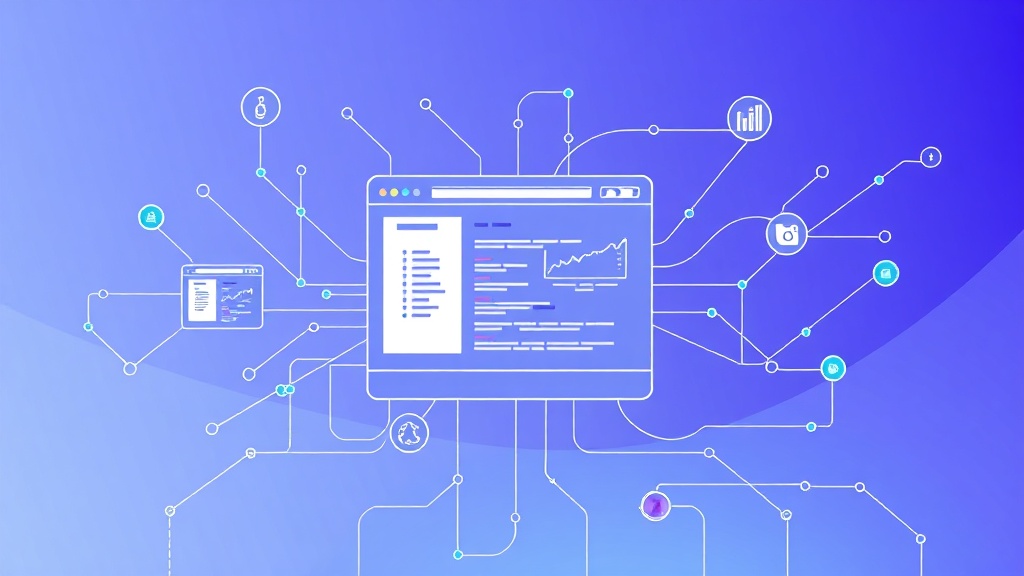
A modern AI-powered web scraping system consists of several interconnected components that work together to extract, process, and analyze data intelligently:
Data Collection Layer: This foundational layer handles the actual web requests, manages sessions, and implements rate limiting. It includes headless browsers, proxy rotation systems, and request queuing mechanisms.
AI Processing Engine: The core intelligence layer that processes raw HTML and content using machine learning models. This includes content classification, data extraction validation, and adaptive parsing algorithms.
Data Pipeline: Handles data transformation, cleaning, and enrichment before storage. This layer often integrates with tools like Airtable for structured data management or connects to analytics platforms.
Strategic Planning Framework
Successful AI-powered scraping projects require careful strategic planning:
- Target Analysis: Identify specific data requirements, update frequencies, and data quality standards
- Technical Assessment: Evaluate target websites for anti-bot measures, dynamic content, and API alternatives
- Compliance Review: Analyze robots.txt, terms of service, and applicable data protection regulations
- Scalability Design: Plan for growth in data volume, target sites, and processing complexity
“The most successful scraping operations treat data extraction as a product, not a one-time project. This means building systems that can adapt, scale, and maintain quality over time.” – Senior Data Engineering Lead
Legal and Ethical Considerations
Legal Compliance Framework
Web scraping operates in a complex legal landscape that varies by jurisdiction and industry. Understanding these requirements is essential for sustainable operations:
Copyright and Intellectual Property: Scraped content may be protected by copyright, requiring careful consideration of fair use principles. Focus on factual data extraction rather than creative content reproduction.
Terms of Service Compliance: Many websites explicitly prohibit automated access in their terms of service. While these terms may not always be legally enforceable, violating them can result in access blocking or legal action.
Data Protection Regulations: GDPR, CCPA, and similar regulations impose strict requirements on personal data collection and processing. Implement privacy-by-design principles and obtain necessary consents.
Ethical Best Practices
- Respect Rate Limits: Implement intelligent throttling to avoid overloading target servers
- Honor robots.txt: Respect website crawling preferences and restrictions
- Data Minimization: Collect only the data necessary for your specific use case
- Transparency: Use clear User-Agent strings and consider reaching out to website owners for permission
Technical Implementation Steps
Step 1: Environment Setup and Tool Selection
Begin by establishing a robust development environment with the necessary tools and libraries:
# Core scraping libraries
pip install scrapy selenium beautifulsoup4 requests

# AI and ML libraries
pip install transformers torch tensorflow scikit-learn

# Data processing
pip install pandas numpy opencv-python pillow

# Infrastructure
pip install redis celery docker-compose
For teams using no-code solutions, platforms like Bubble can integrate with scraping APIs to create user-friendly interfaces for data management and visualization.
Step 2: Intelligent Content Detection
Implement AI-powered content detection to identify and extract relevant information automatically:
import torch
from transformers import pipeline
from bs4 import BeautifulSoup

class AIContentExtractor:
    def __init__(self):
        self.classifier = pipeline("text-classification",
                                 model="distilbert-base-uncased")
        self.ner_model = pipeline("ner",
                                model="dbmdz/bert-large-cased-finetuned-conll03-english")

    def extract_structured_data(self, html_content):
        soup = BeautifulSoup(html_content, 'html.parser')
        text_blocks = [p.get_text() for p in soup.find_all('p')]

        structured_data = []
        for block in text_blocks:
            # Classify content type
            classification = self.classifier(block)

            # Extract named entities
            entities = self.ner_model(block)

            structured_data.append({
                'text': block,
                'classification': classification,
                'entities': entities
            })

        return structured_data
Step 3: Dynamic Content Handling
Modern websites heavily rely on JavaScript for content rendering. Implement intelligent browser automation:
from selenium import webdriver
from selenium.webdriver.common.by import By
from selenium.webdriver.support.ui import WebDriverWait
from selenium.webdriver.support import expected_conditions as EC

class SmartBrowser:
    def __init__(self):
        options = webdriver.ChromeOptions()
        options.add_argument('--headless')
        options.add_argument('--no-sandbox')
        options.add_argument('--disable-dev-shm-usage')
        self.driver = webdriver.Chrome(options=options)

    def intelligent_wait(self, url, content_selectors):
        self.driver.get(url)

        # Wait for multiple possible content indicators
        wait = WebDriverWait(self.driver, 10)
        for selector in content_selectors:
            try:
                wait.until(EC.presence_of_element_located((By.CSS_SELECTOR, selector)))
                break
            except:
                continue

        return self.driver.page_source
Step 4: Anti-Bot Detection Bypass
Implement sophisticated techniques to handle anti-bot measures while maintaining ethical standards:
- Behavioral Mimicking: Simulate human browsing patterns with random delays and mouse movements
- Fingerprint Rotation: Regularly change browser fingerprints, headers, and user agents
- CAPTCHA Solving: Integrate AI-powered CAPTCHA solving services for legitimate use cases
- Proxy Management: Implement intelligent proxy rotation with geolocation considerations
Step 5: Data Quality and Validation
Use AI to ensure extracted data meets quality standards:
import pandas as pd
from sklearn.ensemble import IsolationForest

class DataQualityValidator:
    def __init__(self):
        self.anomaly_detector = IsolationForest(contamination=0.1)

    def validate_extracted_data(self, data_frame):
        # Check for missing values
        missing_data = data_frame.isnull().sum()

        # Detect anomalies in numerical data
        numerical_cols = data_frame.select_dtypes(include=['float64', 'int64']).columns
        if len(numerical_cols) > 0:
            anomalies = self.anomaly_detector.fit_predict(data_frame[numerical_cols])
            data_frame['is_anomaly'] = anomalies

        # Validate data formats
        validation_report = {
            'total_records': len(data_frame),
            'missing_data': missing_data.to_dict(),
            'anomaly_count': sum(anomalies == -1) if len(numerical_cols) > 0 else 0
        }

        return validation_report
Advanced AI Integration Techniques
Natural Language Processing for Content Analysis
Leverage advanced NLP techniques to extract meaningful insights from scraped text content:
Sentiment Analysis: Automatically classify the emotional tone of customer reviews, social media posts, or news articles. This is particularly valuable for brand monitoring and market research applications.
Topic Modeling: Use techniques like Latent Dirichlet Allocation (LDA) or BERT-based topic models to automatically categorize and cluster scraped content by themes and subjects.
Named Entity Recognition: Extract specific entities like company names, locations, dates, and monetary values from unstructured text data.
Computer Vision for Visual Content
Integrate computer vision capabilities to extract information from images, charts, and visual elements:
import cv2
import pytesseract
from PIL import Image
import numpy as np

class VisualDataExtractor:
    def __init__(self):
        self.ocr_config = '--oem 3 --psm 6'

    def extract_text_from_image(self, image_url):
        # Download and process image
        response = requests.get(image_url)
        image = Image.open(BytesIO(response.content))

        # Preprocess for better OCR results
        opencv_image = cv2.cvtColor(np.array(image), cv2.COLOR_RGB2BGR)
        gray = cv2.cvtColor(opencv_image, cv2.COLOR_BGR2GRAY)
        processed = cv2.threshold(gray, 0, 255, cv2.THRESH_BINARY + cv2.THRESH_OTSU)[1]

        # Extract text using OCR
        extracted_text = pytesseract.image_to_string(processed, config=self.ocr_config)

        return extracted_text.strip()
Scaling and Performance Optimization
Distributed Processing Architecture
As scraping operations grow, implementing distributed processing becomes essential for maintaining performance and reliability:
Queue-Based Processing: Use message queues like Redis or RabbitMQ to distribute scraping tasks across multiple workers. This approach provides better fault tolerance and allows for horizontal scaling.
Microservices Architecture: Break down the scraping system into specialized microservices for different functions: data extraction, processing, validation, and storage.
Container Orchestration: Deploy scraping infrastructure using Docker and Kubernetes for better resource management and scalability.
Performance Monitoring and Analytics
Implement comprehensive monitoring to track system performance and identify optimization opportunities:
| Metric | Target Range | Alert Threshold | Optimization Action |
|---|---|---|---|
| Success Rate | 95-99% | <90% | Review error patterns, update selectors |
| Response Time | 1-3 seconds | >5 seconds | Optimize requests, check proxy performance |
| Data Quality Score | 90-95% | <85% | Retrain validation models, update extraction logic |
| Resource Utilization | 60-80% | >90% | Scale infrastructure, optimize algorithms |
Integration with Business Intelligence Tools
Modern scraping operations must seamlessly integrate with existing business intelligence and analytics platforms. Tools like Ahrefs demonstrate how scraped SEO data can be transformed into actionable business insights through sophisticated dashboards and reporting systems.
For content teams, integration with platforms like Beehiiv can automate the process of content research and competitive analysis, feeding scraped insights directly into content creation workflows.
Troubleshooting Common Issues
Rate Limiting and IP Blocking
Problem: Target websites implement aggressive rate limiting or IP blocking measures.
Solutions:
- Implement exponential backoff algorithms for retry logic
- Use residential proxy networks with automatic rotation
- Distribute requests across multiple IP ranges and geographic locations
- Implement session management to maintain consistent browsing behavior
Dynamic Content Loading Issues
Problem: Content loads dynamically via JavaScript, making traditional scraping methods ineffective.
Solutions:
- Use headless browsers with intelligent wait conditions
- Implement API endpoint discovery through network traffic analysis
- Reverse-engineer JavaScript execution to identify data sources
- Use browser automation frameworks like Playwright for better JavaScript handling
Data Quality Degradation
Problem: Extracted data quality decreases over time due to website changes.
Solutions:
- Implement automated data quality monitoring with alerts
- Use machine learning models to detect and adapt to structural changes
- Maintain multiple extraction strategies for redundancy
- Regular validation against known good data samples
“The key to successful long-term scraping operations is building systems that can detect and adapt to changes automatically. Manual maintenance doesn’t scale.” – Lead Automation Engineer
Frequently Asked Questions
Is AI-powered web scraping legal?
AI-powered web scraping operates under the same legal framework as traditional scraping. The legality depends on factors like the website’s terms of service, robots.txt compliance, data protection laws, and the purpose of data collection. Always consult legal counsel for specific use cases and jurisdictions.
How much does it cost to implement AI-enhanced web scraping?
Costs vary significantly based on scale and complexity. Basic implementations can start at $500-1000/month for cloud infrastructure and tools, while enterprise solutions may require $10,000-50,000+ monthly for infrastructure, AI model usage, proxy services, and development resources.
What’s the difference between AI-powered scraping and traditional scraping?
Traditional scraping relies on static selectors and rules, while AI-powered scraping uses machine learning to adapt to changes, understand content context, and extract insights from unstructured data. AI scraping is more resilient to website changes but requires more computational resources and expertise.
How can I ensure my scraping operations remain ethical?
Follow these principles: respect rate limits, honor robots.txt files, minimize data collection to necessary information only, implement proper data security measures, be transparent about your activities, and consider reaching out to website owners for permission when scraping at scale.
Ready to implement AI-powered web scraping for your business? futia.io’s automation services can help you build robust, ethical, and scalable data extraction systems tailored to your specific needs. Our team of experts specializes in creating intelligent scraping solutions that adapt to changing requirements while maintaining the highest standards of legal and ethical compliance.