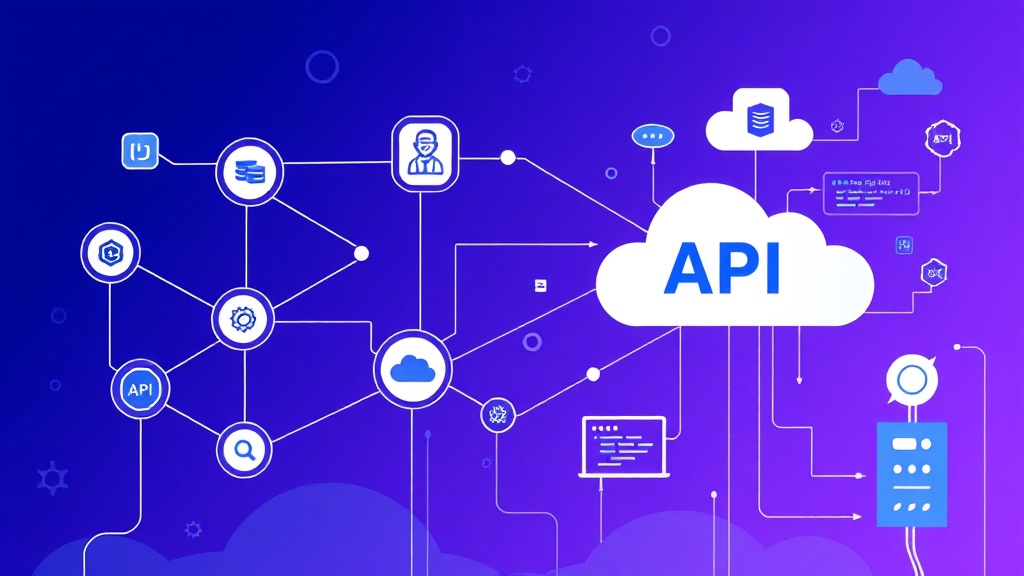
The Complete Guide to Building and Selling API Products in 2024
The API economy is experiencing unprecedented growth, with over 90% of developers using APIs in their projects and the global API market projected to reach $5.1 billion by 2025. Building and selling API products has become one of the most lucrative opportunities in the tech landscape, offering scalable revenue streams and the potential to reach millions of developers worldwide.
This comprehensive guide will walk you through everything you need to know about creating, launching, and monetizing API products that developers actually want to use. From technical architecture to pricing strategies, we’ll cover the complete journey from concept to profitable API business.
Prerequisites and Foundation Knowledge
Before diving into API product development, ensure you have the following technical and business foundations in place:
Technical Prerequisites
- Backend Development Experience: Proficiency in at least one server-side language (Python, Node.js, Go, Java, or Ruby)
- Database Management: Understanding of both SQL and NoSQL databases, with experience in optimization and scaling
- API Design Principles: Knowledge of REST, GraphQL, and emerging standards like gRPC
- Cloud Infrastructure: Familiarity with AWS, Google Cloud, or Azure services
- Security Fundamentals: Understanding of OAuth 2.0, JWT tokens, and API security best practices
Business Prerequisites
- Market Research Capabilities: Tools like Ahrefs for competitive analysis and keyword research
- Analytics Setup: Implementation of tracking systems using tools like Mixpanel for user behavior analysis
- Legal Framework: Understanding of API terms of service, data privacy regulations (GDPR, CCPA), and intellectual property considerations
- Financial Planning: Capital for infrastructure costs, which typically range from $500-5000 monthly for early-stage API products
Architecture and Strategy Overview
Successful API products require a well-planned architecture that balances performance, scalability, and developer experience. The foundation consists of several critical components:
Core Architecture Components
Your API architecture should include these essential layers:
- API Gateway: Handles authentication, rate limiting, request routing, and analytics collection
- Business Logic Layer: Contains your core API functionality and data processing
- Data Layer: Manages data storage, caching, and retrieval optimization
- External Integrations: Connects to third-party services and data sources
- Monitoring and Logging: Tracks performance, errors, and usage patterns
Strategic Positioning Framework
Define your API’s market position using this framework:
| Strategy Type | Description | Revenue Potential | Development Time |
|---|---|---|---|
| Data API | Provides access to unique datasets | $10K-$1M+ monthly | 2-4 months |
| Functionality API | Offers specific capabilities (payments, messaging) | $5K-$500K monthly | 3-6 months |
| Infrastructure API | Provides backend services (storage, compute) | $20K-$5M+ monthly | 6-12 months |
| Integration API | Connects different platforms and services | $3K-$200K monthly | 1-3 months |
Expert Insight: The most successful API products solve a specific pain point that developers encounter repeatedly. Focus on eliminating friction rather than adding features.
Detailed Implementation Steps
Step 1: Market Validation and API Design
Start by validating your API concept through developer surveys and prototype testing. Create an OpenAPI specification that clearly defines your endpoints, request/response formats, and error handling.
openapi: 3.0.0
info:
  title: Your API Product
  version: 1.0.0
  description: Clear, concise API description
paths:
  /api/v1/resource:
    get:
      summary: Retrieve resource data
      parameters:
        - name: limit
          in: query
          schema:
            type: integer
            minimum: 1
            maximum: 100
      responses:
        '200':
          description: Successful response
          content:
            application/json:
              schema:
                type: object
                properties:
                  data:
                    type: array
                  pagination:
                    type: object
Step 2: Technical Implementation
Build your API using a robust framework that supports your chosen technology stack. Here’s a Python Flask example for a basic API structure:
from flask import Flask, jsonify, request
from flask_limiter import Limiter
from flask_limiter.util import get_remote_address
import jwt

app = Flask(__name__)
limiter = Limiter(
    app,
    key_func=get_remote_address,
    default_limits=["100 per hour"]
)

@app.before_request
def authenticate():
    token = request.headers.get('Authorization')
    if not token:
        return jsonify({'error': 'Missing authentication token'}), 401

    try:
        payload = jwt.decode(token.split(' ')[1], app.config['SECRET_KEY'], algorithms=['HS256'])
        request.user_id = payload['user_id']
    except jwt.InvalidTokenError:
        return jsonify({'error': 'Invalid token'}), 401

@app.route('/api/v1/data', methods=['GET'])
@limiter.limit("50 per minute")
def get_data():
    limit = request.args.get('limit', 10, type=int)
    # Your business logic here
    return jsonify({
        'data': [],
        'pagination': {'limit': limit, 'offset': 0}
    })
Step 3: Infrastructure Setup
Deploy your API using containerization and cloud services for scalability. Set up monitoring, logging, and automated deployment pipelines. Consider using tools like GitHub Copilot to accelerate development and maintain code quality.
Step 4: Developer Experience Optimization
Create comprehensive documentation, SDKs for popular programming languages, and interactive API explorers. The quality of your developer experience directly impacts adoption rates and customer satisfaction.
- Documentation: Provide code examples, use cases, and troubleshooting guides
- SDKs: Build libraries for JavaScript, Python, PHP, and other popular languages
- Sandbox Environment: Offer a testing environment with sample data
- Status Page: Maintain transparency about API uptime and performance
Monetization and Pricing Strategies
Successful API monetization requires understanding your customers’ usage patterns and value perception. Most profitable APIs use tiered pricing models that scale with usage.
Common Pricing Models
| Model | Best For | Typical Pricing | Pros | Cons |
|---|---|---|---|---|
| Pay-per-call | Variable usage APIs | $0.001-$0.10 per call | Fair usage pricing | Unpredictable revenue |
| Subscription tiers | Consistent usage patterns | $29-$999+ monthly | Predictable revenue | May limit adoption |
| Freemium | Developer tools, data APIs | Free + paid tiers | High adoption | Low conversion rates |
| Revenue sharing | Transaction-based APIs | 1-5% of transaction value | Aligns with customer success | Complex to implement |
Pricing Implementation
Implement usage tracking and billing systems that can handle complex pricing scenarios. Consider integrating with payment processors that support API billing models, such as Stripe Billing or Chargebee.
Key Metric: Successful API products typically see 15-25% monthly revenue growth after the first year, with customer acquisition costs ranging from $50-500 per developer depending on the market segment.
Marketing and Customer Acquisition
API products require specialized marketing approaches that focus on developer communities and technical decision-makers.
Developer-Focused Marketing Channels
- Technical Content Marketing: Publish tutorials, case studies, and integration guides
- Developer Community Engagement: Participate in Stack Overflow, GitHub, and relevant forums
- API Marketplaces: List your API on RapidAPI, ProgrammableWeb, and industry-specific directories
- Conference Speaking: Present at developer conferences and meetups
- Partnership Programs: Collaborate with complementary API providers
Use email marketing tools like Brevo to nurture developer relationships and share API updates, while leveraging automation platforms like Make to streamline your marketing workflows.
Troubleshooting Common Issues
Performance and Scaling Challenges
High Latency Issues: Implement caching layers using Redis or Memcached, optimize database queries, and consider CDN deployment for global users. Monitor response times and set up alerts for performance degradation.
Rate Limiting Problems: Design intelligent rate limiting that considers user tiers and usage patterns. Provide clear error messages and upgrade paths when limits are exceeded.
Authentication and Security Issues
Token Management: Implement proper token rotation, secure storage practices, and clear expiration policies. Provide developers with tools to manage their API keys effectively.
Data Security: Ensure all data transmission uses HTTPS, implement proper input validation, and maintain audit logs for security compliance.
Developer Experience Problems
Documentation Issues: Keep documentation synchronized with API changes, provide working code examples, and maintain version compatibility guides.
Integration Difficulties: Offer multiple SDK options, provide sandbox environments, and maintain responsive developer support channels.
Scaling and Growth Strategies
As your API gains traction, focus on these growth accelerators:
Technical Scaling
- Infrastructure Optimization: Implement auto-scaling, database sharding, and microservices architecture
- Global Expansion: Deploy regional endpoints to reduce latency for international users
- API Versioning: Maintain backward compatibility while introducing new features
Business Scaling
- Enterprise Sales: Develop custom pricing and SLA packages for large customers
- Partner Ecosystem: Build integrations with popular platforms and tools
- Product Extensions: Add complementary APIs and services to increase customer lifetime value
Measuring Success and Analytics
Track these critical metrics to optimize your API product performance:
- Usage Metrics: API calls per day, unique developers, request success rates
- Business Metrics: Monthly recurring revenue (MRR), customer acquisition cost (CAC), churn rate
- Technical Metrics: Response time, uptime percentage, error rates
- Developer Satisfaction: Documentation ratings, support ticket resolution time, NPS scores
Implement comprehensive analytics using tools that can track both technical performance and business outcomes. Set up automated alerts for critical issues and regular reporting for stakeholders.
Frequently Asked Questions
How long does it typically take to build and launch an API product?
The development timeline varies significantly based on complexity, but most API products take 3-8 months from concept to launch. Simple data APIs can be ready in 6-12 weeks, while complex infrastructure APIs may require 12-18 months. Factor in additional time for documentation, testing, and developer onboarding systems.
What are the typical infrastructure costs for running an API business?
Initial infrastructure costs typically range from $500-2000 monthly for early-stage APIs handling up to 1 million requests per month. As you scale, costs can reach $5,000-50,000 monthly for APIs serving enterprise customers. The key is implementing efficient caching and optimization strategies to manage cost growth.
How do I handle API versioning and backward compatibility?
Implement semantic versioning (v1.0.0, v1.1.0, v2.0.0) and maintain at least two major versions simultaneously. Provide 6-12 months notice before deprecating older versions, and offer migration guides with code examples. Consider using API gateways that can route requests to different backend versions based on the requested API version.
What legal considerations should I be aware of when selling API access?
Key legal areas include data privacy compliance (GDPR, CCPA), terms of service that clearly define usage limits and restrictions, intellectual property protection for your API design and data, and liability limitations. Consider consulting with a technology lawyer, especially if handling sensitive data or operating internationally.
Building and selling API products requires a combination of technical expertise, market understanding, and strategic execution. Success depends on solving real developer problems, maintaining excellent performance, and continuously evolving based on customer feedback. Whether you’re looking to automate your API development process or need help scaling your existing API business, futia.io’s automation services can help streamline your operations and accelerate growth.